The music · Listening notes
Old favorites.
New discoveries.
Jazz is close to my heart, alongside soul, rock, folk, Americana, and power pop. A familiar favorite can lead to something less expected. These notes connect the music to the copy you might choose to bring home.
These are listening favorites, not current stock listings. Request an album if you’d like me to look for a copy; there’s no obligation to buy.
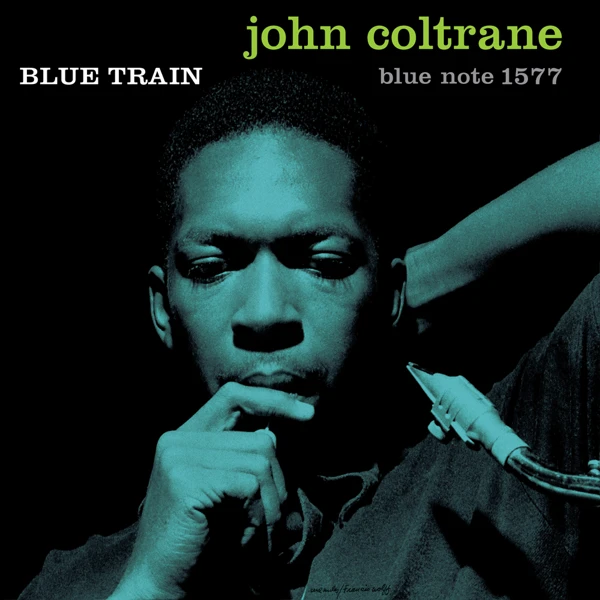
Blue Train
John ColtraneListening notes
The pleasure here is in the conversation: the weight of the opening horns, then the different colors each soloist brings. The title track opens the door, but the full album is worth settling into. For a copy to live with, decide first whether you want the mono album or the expanded stereo session.
Choosing a copy: The Tone Poet mono LP and stereo Complete Masters two-LP set serve different listening preferences. Compare the editions below.
Request this album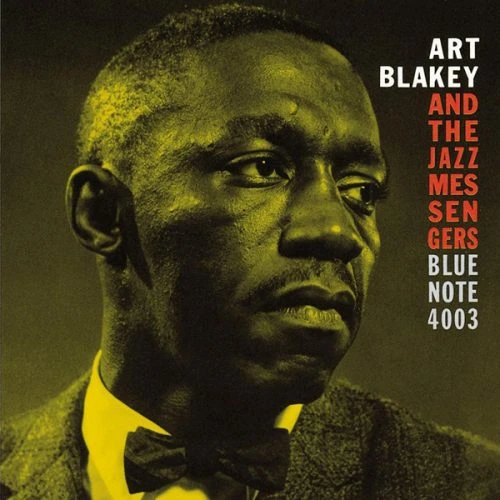
Moanin’
Art Blakey & The Jazz MessengersListening notes
That piano phrase is the invitation; Blakey’s drums are what keep pulling you further in. Listen once for the melody, then again for the way he shapes the band around each solo. This is a good place to put the music first and consider a well-made reissue.
Choosing a copy: For a listening-focused request, consider the Kevin Gray Blue Note Classic Vinyl edition. An original needs its own label, runout, and condition check. See the reasoning below.
Request this album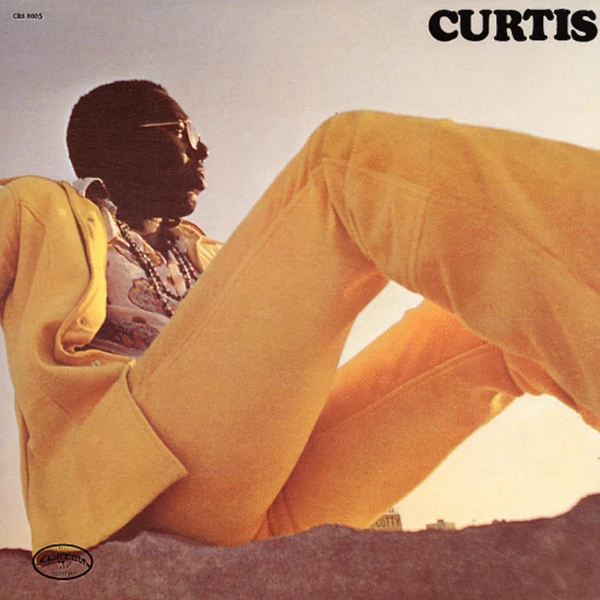
Curtis
Curtis MayfieldListening notes
“Move On Up” brings the lift, but the album has more to give than its most familiar song. The contrast between Mayfield’s tender voice, the insistent rhythms, and the weight of his words is the reason to stay for a whole side.
Choosing a copy: For a specific copy, compare the jacket, center labels, and runouts together. Tell me whether you value an original edition or a copy chosen mainly for listening.
Request this album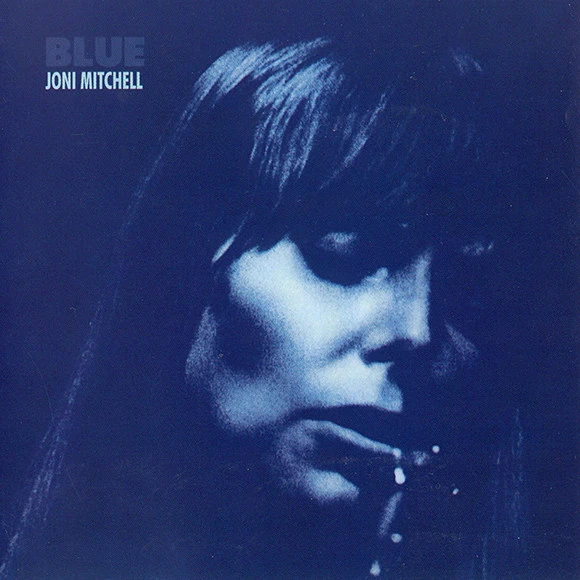
Blue
Joni MitchellListening notes
Some records suit an unhurried evening. The intimacy of Mitchell’s voice, the turns in her phrasing, and the space around “A Case of You” reward that attention. On an album this exposed, a quiet-playing copy is part of the pleasure.
Choosing a copy: The spare arrangements make playback noise easy to notice. Ask which sides or tracks were play-checked, and keep the record grade separate from the sleeve grade.
Request this album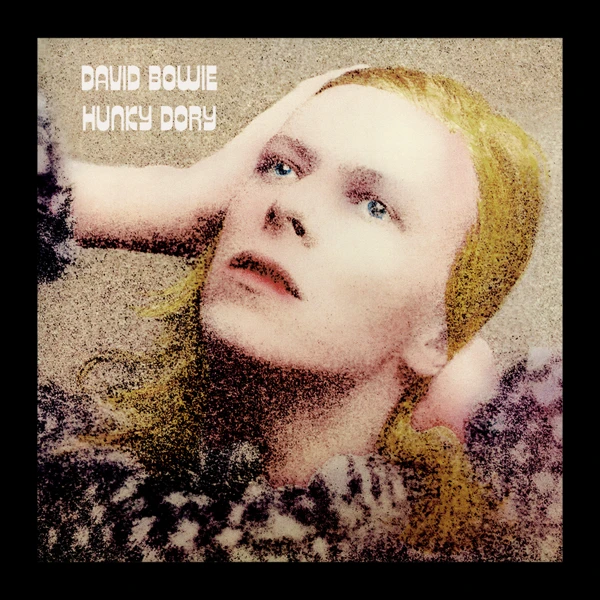
Hunky Dory
David BowieListening notes
The piano opens the room for Bowie’s voice on “Life on Mars?” Across the album, intimate songwriting gives way to larger, theatrical moments. It is a reminder that a familiar song can be an invitation back into a whole record.
Choosing a copy: For an early edition or a particular reissue, the country, label, and runouts all matter. A matching cover or catalog number alone is not enough to confirm the edition.
Request this album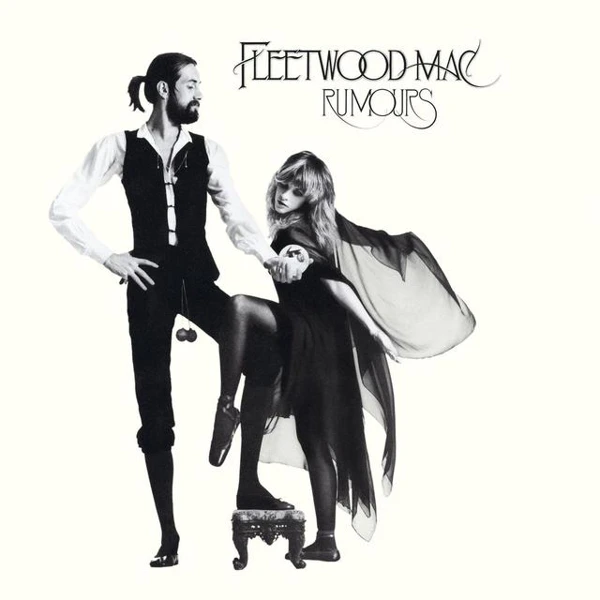
Rumours
Fleetwood MacListening notes
A band worth hearing as a band. The songs may already be familiar, but follow the bass and drums beneath “Dreams,” then the harmonies across a full side. Those relationships between the players are a reason to come back. Choose the mastering you want and a format you enjoy living with.
Choosing a copy: The Gray / Hoffman 45 RPM edition uses two LPs. If fewer side changes matter more, ask for 33⅓ RPM. Compare the tradeoff below.
Request this album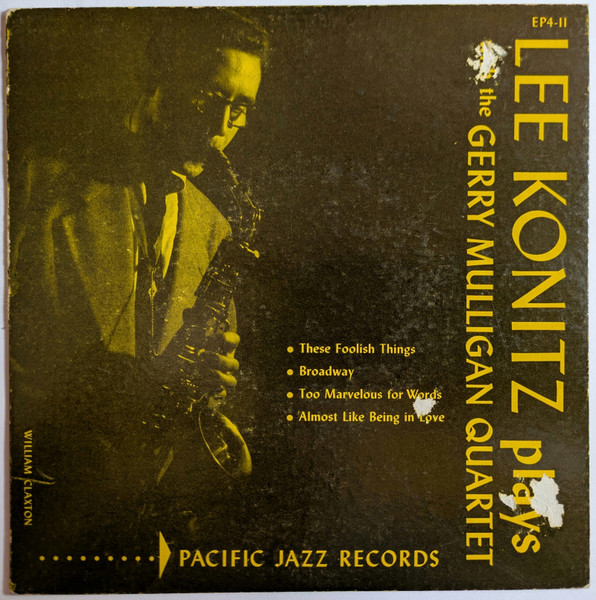
Lee Konitz Plays with the Gerry Mulligan Quartet
Lee KonitzA quieter discovery
After the big horn sound of Blue Train, take another route. On “These Foolish Things,” follow the exchange between the horns: the interest lies in how one voice answers another. A useful place to wander when you want a more conversational listen.
Choosing a copy: Start with the edition in hand. Compare its labels, catalog number, and runouts, then ask about playback. The sleeve shown illustrates the album; it does not identify a copy currently for sale.
Request this albumNew vinyl
Something new to bring home.
New releases and thoughtful reissues, ready for a first listen.
Used & collectible
Well-kept records.
More music to discover.
Familiar favorites and unexpected finds, with the record and sleeve clearly described.
Audiophile editions
For the “listen to that” moments.
Selected pressings and masterings for a closer listen.